Rapid Response BLS & CPR
A Little About Us
Company Experience and Credentials
We are a highly experienced company specializing in Basic Life Support, CPR, AED, and First Aid training. Our team possesses extensive expertise in these critical areas, ensuring that every course we deliver meets the highest standards for safety and effectiveness.
Comprehensive Training Offerings
Our training programs are designed to serve a broad audience, including healthcare professionals, first responders, educators, and the general public. We are committed to equipping individuals from various backgrounds with the skills and knowledge necessary to respond effectively in emergency situations.
Qualified Instructors
All our instructors are certified by the American Heart Association, reflecting our commitment to quality and credibility. Our lead instructor brings eighteen years of experience as a licensed critical care nurse, actively practicing in the field. This expertise ensures that our training is both practical and informed by real-world experience.
Flexible Training Options
We offer live training sessions at our dedicated location, providing hands-on instruction in a supportive environment. Additionally, as a fully equipped mobile training service, we are able to conduct training at your Indiana location, delivering our courses directly to your facility for maximum convenience. We also offer online classes with virtual and in person skills check off classes.
Our services
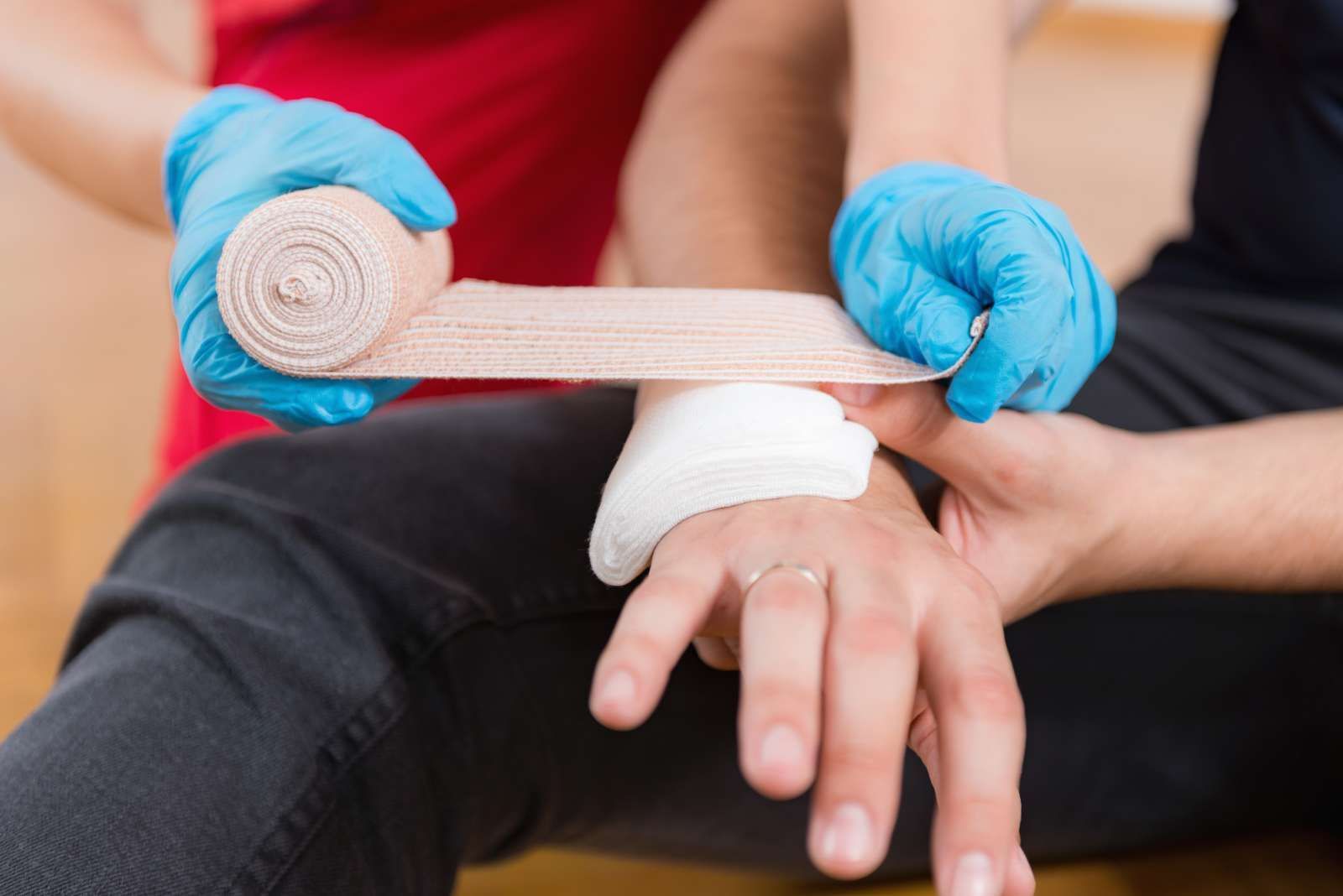
Heartsaver First Aid Course
Responding to a First Aid Emergency
Participants are trained to quickly assess and respond to first aid emergencies, ensuring that timely and appropriate care is given until professional help can take over.
Allergic Reactions, Asthma, and Allergy Issues
Opioid Emergencies
Recognizing Medical Emergencies
Learners are guided in identifying and managing a variety of medical emergencies such as burns, bleeding, choking, fainting, seizures, heart attacks, and strokes. The training emphasizes accurate recognition and prompt response to these incidents.
Environmental Emergencies
The curriculum also includes instruction on handling environmental emergencies, including drowning situations, exposure to extreme cold or heat, and incidents involving electrical shock.
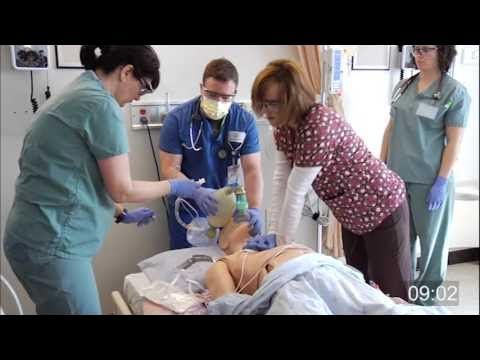
Basic Life Support
Basic Life Support Course Overview
The Basic Life Support (BLS) Course is specifically designed for healthcare professionals, providing in-depth instruction on how to recognize and respond to a variety of life-threatening emergencies.
A key component of the course is learning how to activate the emergency response system efficiently, initiating the chain of survival that is critical in emergency situations. The curriculum covers the delivery of high-quality chest compressions and effective ventilation techniques, both essential for supporting patients in cardiac or respiratory distress. In addition, participants receive instruction on the early use of an Automated External Defibrillator (AED), a crucial tool for increasing survival rates in cardiac emergencies.
The course also places strong emphasis on team dynamics, with a focus on understanding roles and responsibilities within emergency response teams. This includes practicing effective communication, coordination, and leadership during resuscitation efforts. Finally, debriefing is incorporated as an important aspect of the training, allowing participants to reflect on their actions and continuously improve their skills in providing life support.
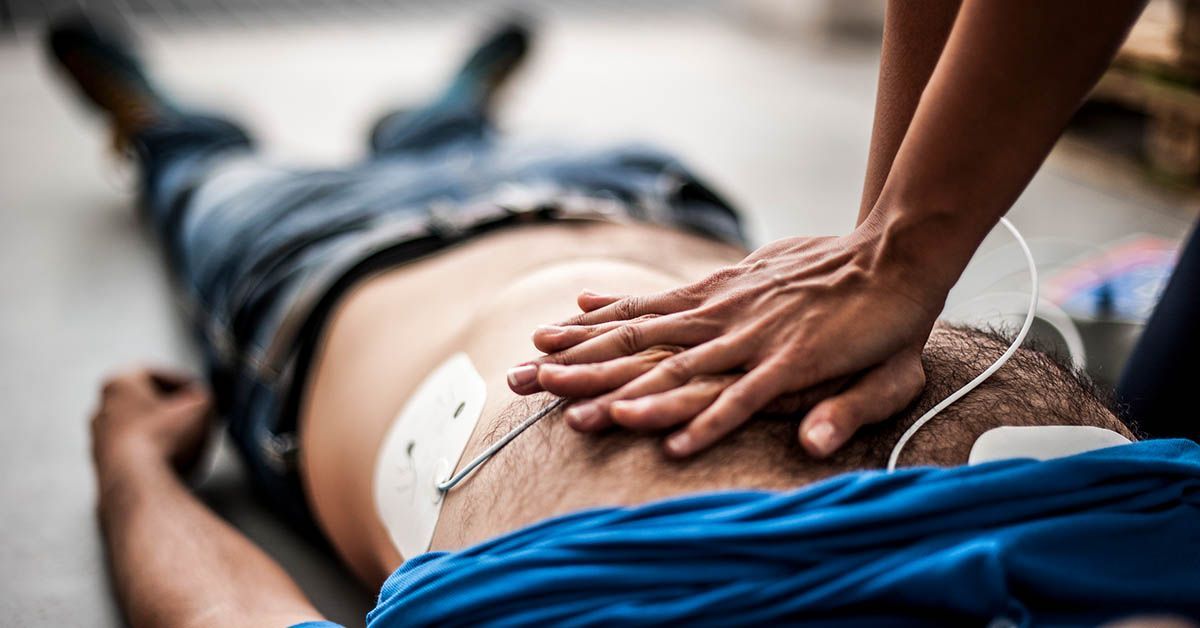
Heartsaver Total Course
CPR & AED Use
Participants will learn how to perform CPR on adults, children, and infants. The course also covers the proper use of an Automated External Defibrillator (AED) in emergency situations.
Recognizing Cardiac Emergencies
The curriculum includes instruction on how to recognize the signs of a heart attack and stroke, enabling responders to act quickly and effectively.
Choking Response
Students will be taught how to help someone who is choking, including techniques for both adults and children.
First Aid Basics
The program covers first aid fundamentals such as controlling bleeding, managing sprains, responding to shock, and providing assistance in drowning situations.




Customer reviews

Daniel K.
"I honestly received the best service I could have asked for. They were super professional to deal with; they met all my needs and helped me a lot."

Ron H.
"The entire experience was so easy and friendly, and the price was very reasonable. I don't know what I would have done without them."

James F.
"I can't say enough good things about the quality of this company. Highly, highly recommend using them!"
Special features

Licensed professional

Trust